The public databases and official sources behind every layer of the map.
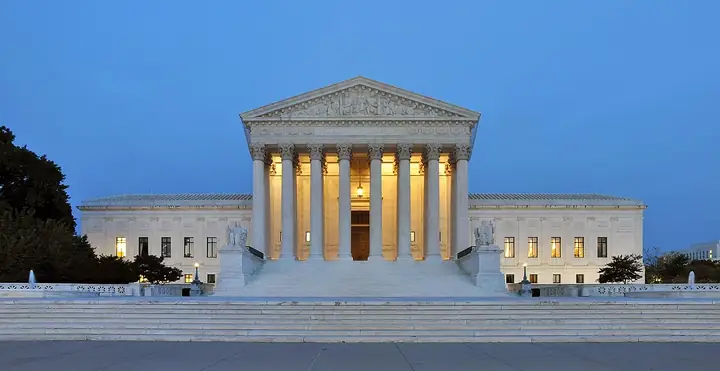
Guided research Joe Ravi. CC BY-SA 3.0 . Source Read a case file critically Start with the existing Gilmore, Spenkelink and Broom case files. Keep the legal timeline separate from the date and status of the indexed record.
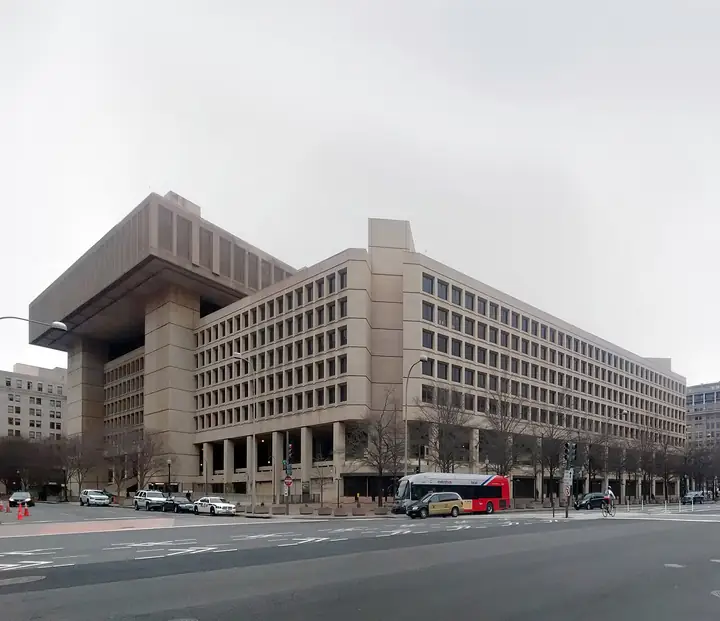
Open each timeline and follow its court or reporting sources. Which source supports each claim? Identify fields marked “Not recorded”. Treat these as gaps, not evidence that something did not happen. Compare the records and write a short account that cites the original sources and notes their dates. Gunnar Klack. CC BY-SA 4.0 . Source Compare crime figures responsibly Use the comparison page to examine two places using the same crime category and reporting year. Read the methodology before interpreting a difference.
Choose two US states and match the year and category. Record the count, population and rate where available. Distinguish a rate per 100,000 from a raw count. Check for missing years and changes in definitions. For countries, explain why different legal definitions and reporting practices limit a direct ranking. Linda D. Epstein, U.S. Department of State. Public domain . Source Distinguish a listing from an incident The index combines different kinds of public records. First identify what each row represents and which authority or publication it cites.
Compare an organization listing with an incident record. What does the date mean in each? Note the listing authority, jurisdiction and source date. Avoid treating a dated designation as a universal or current finding. Check map precision. A country or city marker does not establish a current operational location. Execution Index Court documents and rulings Not recorded
Official reports and notices News coverage Not recorded
Further reading Research per record Terrorism Index Court documents and rulings Not recorded
Official reports and notices News coverage Not recorded
Further reading Research per record Gangs Court documents and rulings Not recorded
Official reports and notices News coverage Not recorded
Further reading Not recorded
Research per record Insurgent Index Court documents and rulings Not recorded
Official reports and notices News coverage Not recorded
Further reading Research per record Military actions Court documents and rulings Not recorded
Official reports and notices News coverage Further reading Not recorded
Research per record